Source Batting Practice Pitching Machine for Training
Find and compare 30 batting practice pitching machine options from Guangdong suppliers. Evaluate models like FB-001 and FPM-153E based on power source, material, and weight to select the right equipment for your facility; compare the available evidence and request quotations based on your requirements.
Key considerations
Products List
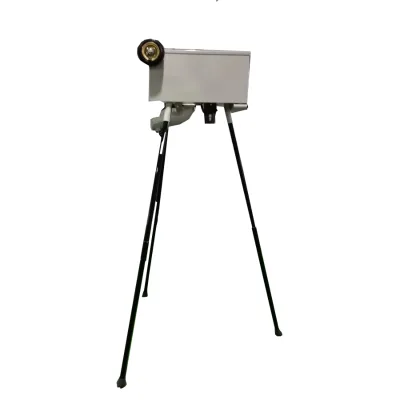
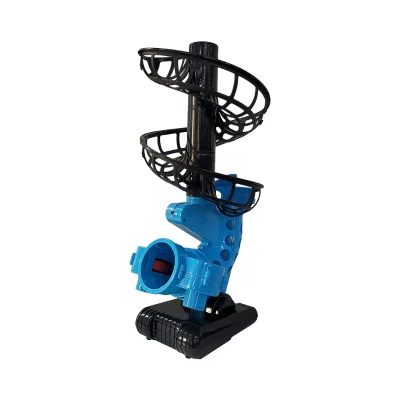
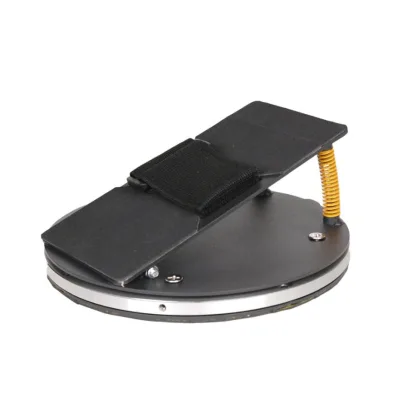
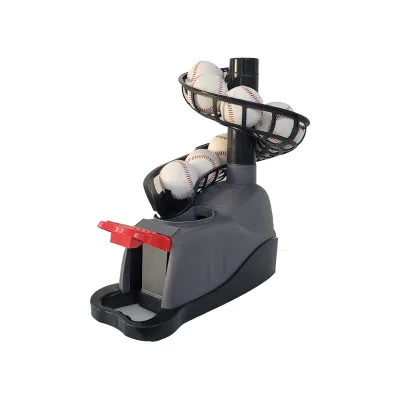
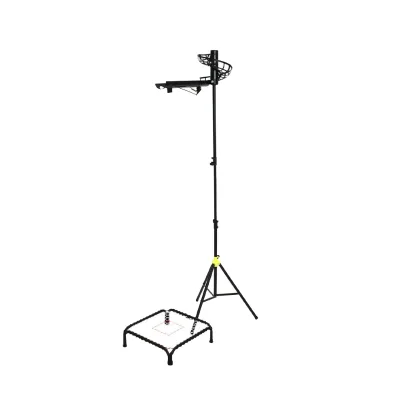
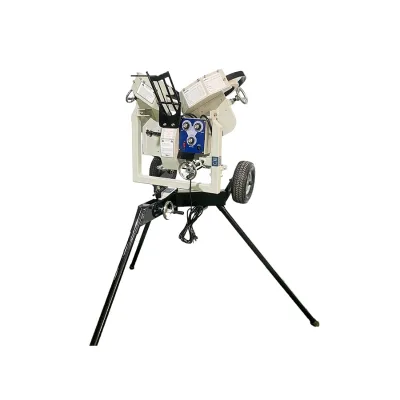


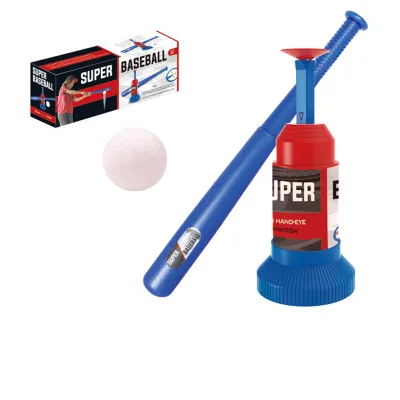


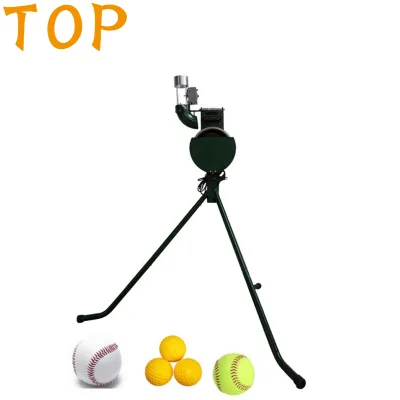
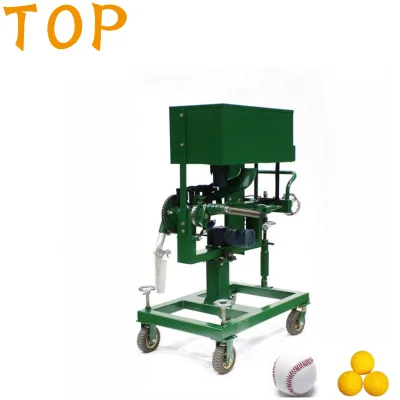
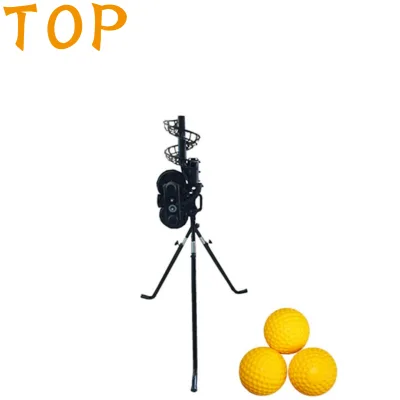
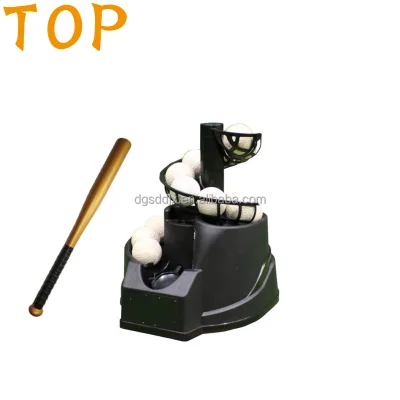
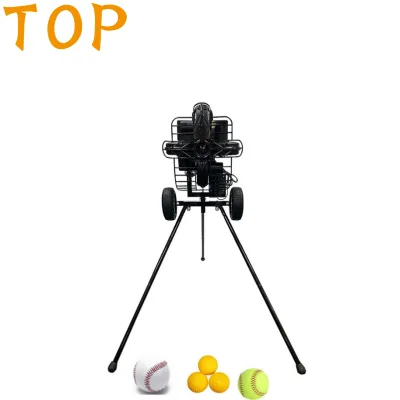

Comprehensive Sourcing Guide
Batting Practice Pitching Machine Sourcing Guide
Sourcing a reliable batting practice pitching machine requires careful evaluation of mechanical durability, power consistency, and operational safety. These devices are essential for baseball and softball training, allowing athletes to practice swing mechanics against consistent ball trajectories. Buyers must distinguish between manual and motorized units, as the latter offer variable speeds and spin rates critical for advanced training. The market offers a range of options, from portable, battery-operated trainers to heavy-duty, AC-powered machines designed for institutional use. Understanding the specific training needs, such as pitch speed requirements or portability constraints, is the first step in narrowing down the supplier pool.
Procurement decisions should be guided by observed listing signals and verified technical specifications rather than marketing claims alone. Current market data indicates a wide price range, reflecting differences in build quality, power source, and included accessories. Buyers should prioritize suppliers who provide clear details on weight, dimensions, and power requirements. For instance, some units operate on standard AC adaptors while others rely on manual labor or specific voltage inputs. Verifying these fundamental attributes ensures the selected machine integrates seamlessly into existing training facilities and meets the physical handling capabilities of the coaching staff.
Product Scope and Observed Listing Signals
The observed product landscape includes various models designed for different training intensities and environments. Listings reveal a significant variation in gross and net weights, ranging from lightweight portable units to heavy industrial machines. For example, certain models weigh over forty kilograms, indicating robust construction suitable for fixed installations, while lighter options under two kilograms are designed for easy transport. This diversity allows buyers to select equipment based on whether the primary use case involves mobile field training or stationary gymnasium practice. The presence of tripods and specific packaging details further suggests that logistics and setup time are key considerations for the end-user.
Packaging and material composition provide additional insights into product durability and shipping efficiency. Steel and polypropylene are common materials, with some units featuring powder coating or zinc plating for corrosion resistance. Packaging varies from simple yellow boxes to sturdy wooden cases, which directly impacts shipping costs and product protection during transit. Buyers should note that some listings specify single-item selling units, which simplifies inventory management but may affect bulk pricing strategies. Understanding these physical attributes helps in estimating total landed costs and ensuring the equipment arrives in optimal condition for immediate deployment.
Technical Specifications to Verify
Power source compatibility is a critical technical specification that must be verified before purchase. Some pitching machines operate on AC adaptors with standard voltage inputs like 110v or 220v, while others may require manual operation or specific battery configurations. Buyers must ensure their facility’s electrical infrastructure supports the machine’s requirements to avoid operational disruptions. Additionally, the inclusion of battery backups, such as D batteries for auxiliary functions, can enhance reliability during power outages. Confirming these electrical details prevents costly modifications to the training environment and ensures consistent performance during critical practice sessions.
Dimensional accuracy and weight distribution significantly impact the machine’s stability and portability. Specifications often list precise dimensions for both the main unit and any accompanying tripods, which are essential for planning storage space and setup areas. Heavy machines may offer greater stability at high speeds but require more effort to move, whereas lighter units offer flexibility but may need additional anchoring. Buyers should verify the size of the packaging, such as carton or wood box dimensions, to calculate shipping volume accurately. These physical parameters directly influence the logistical planning and spatial requirements of the training facility.
Compliance and Safety Documentation
Safety certifications are paramount when sourcing equipment that launches projectiles at high speeds. Buyers should request documentation for relevant safety standards, such as CE or EU certifications, which indicate adherence to regional safety regulations. These certifications ensure that the machine’s mechanical components, electrical systems, and emergency stop features meet rigorous safety benchmarks. Without proper certification, the risk of mechanical failure or user injury increases significantly. Procurement teams must verify that the supplier can provide valid, up-to-date certification documents for each model before finalizing any purchase agreement.
Operational safety features and user instructions are equally important for preventing accidents during training. Machines should include clear labeling for moving parts, emergency shut-off mechanisms, and protective guards. Buyers should assess whether the supplier provides comprehensive user manuals in the local language, detailing safe loading procedures and maintenance schedules. Customization options, such as OEM branding or specific safety modifications, may be available but require careful review to ensure they do not compromise the machine’s inherent safety design. Prioritizing safety documentation protects the organization from liability and ensures a secure training environment for athletes.
Cost Drivers and Commercial Terms
The total cost of ownership is influenced by several factors, including the machine’s power source, material quality, and customization options. High-capacity, motorized units with advanced features typically command higher prices but offer greater durability and performance consistency. Buyers should analyze the price range in the context of the machine’s intended lifespan and maintenance requirements. While lower-cost options may be attractive initially, they may incur higher long-term costs due to frequent repairs or replacements. Understanding these cost drivers helps in making a financially sound investment that aligns with the organization’s budget and training goals.
Commercial terms, such as minimum order quantities (MOQ) and packaging details, also impact the overall procurement cost. MOQs can vary significantly, affecting the unit price and inventory holding costs. Buyers should negotiate terms that balance volume discounts with storage constraints. Additionally, packaging choices, such as plywood cases versus standard boxes, can influence shipping costs and product protection. Clear communication regarding these commercial terms ensures transparency and prevents unexpected expenses. Aligning commercial terms with logistical capabilities helps in optimizing the supply chain and reducing overall procurement overhead.
Supplier Qualification and Quality Control
Supplier qualification involves verifying the manufacturer’s production capabilities and quality control processes. Buyers should assess the supplier’s experience in manufacturing sports equipment and their ability to maintain consistent product quality. Factories located in established manufacturing hubs, such as Guangdong, China, often have robust supply chains and skilled labor forces. However, buyers must conduct due diligence to ensure that the supplier adheres to strict quality standards. Requesting samples or conducting factory audits can provide valuable insights into the production process and the supplier’s commitment to quality.
Quality control measures should include rigorous testing of mechanical components, electrical systems, and safety features. Buyers should inquire about the supplier’s testing protocols, including stress tests for durability and performance consistency checks. Documentation of these tests, such as inspection reports or third-party verification, adds credibility to the supplier’s claims. Additionally, buyers should evaluate the supplier’s after-sales support, including warranty terms and availability of spare parts. A reliable supplier will provide comprehensive support to ensure the machine remains operational and safe throughout its lifecycle.
Long-Term Procurement Checks
Long-term procurement success depends on establishing a sustainable relationship with the supplier and monitoring product performance over time. Buyers should implement a regular review process to assess the machine’s condition and performance against initial expectations. This includes tracking maintenance needs, repair frequency, and user feedback from coaches and athletes. Continuous monitoring helps in identifying potential issues early and addressing them before they escalate into major problems. Maintaining open communication with the supplier ensures that any emerging concerns are resolved promptly and effectively.
Strategic planning for future procurement needs involves staying informed about technological advancements and market trends in pitching machines. Buyers should evaluate the supplier’s innovation capabilities and their ability to offer updated models with improved features. This proactive approach ensures that the organization remains competitive and can provide the best training experience for athletes. Additionally, reviewing commercial terms periodically can help in negotiating better deals and optimizing costs. By focusing on long-term value rather than just initial price, buyers can build a resilient and efficient procurement strategy for their training equipment.
FAQs
What power sources are available for these pitching machines?
These machines typically use AC adaptors or 110v/220v power sources. Some smaller units may operate using four D batteries. Manual labour options are also available for specific models. Always check the specific model number to confirm the exact power requirement before purchase.
Which certifications do the pitching machines hold?
The products listed carry CE and EU certifications. These certifications indicate compliance with specific safety and quality standards required for the European market. Buyers should verify that the specific batch they order maintains these documented certifications for regulatory compliance.
Can the pitching machines be customized for specific needs?
Yes, customization is available for these pitching machines. Buyers can request specific sizes or features tailored to their training requirements. The manufacturer offers OEM customized services to meet unique operational demands while maintaining the core durability and safety features of the equipment.
What is the typical packaging for these machines?
Packaging varies by model, often using yellow boxes for smaller units or wooden boxes for larger machines. Some heavy-duty units are shipped in plywood cases to ensure safety during transit. Carton sizes differ significantly based on whether the item includes a tripod or just the machine.
Where are these batting practice machines manufactured?
The products originate from Guangdong, China, with some listings simply stating China as the place of origin. The port of dispatch is typically Shen Zhen. This location allows for efficient logistics and shipping to international buyers seeking cost-effective manufacturing solutions for sports equipment.
What materials are used to construct these machines?
Construction materials include steel, iron, and polypropylene depending on the model. Some units combine PP and steel for enhanced durability. The balls used with these machines are often made of PU material. These materials ensure the equipment is robust enough for frequent training sessions.